How food companies
are already cutting
their electricity costs
FION combines industrial batteries with intelligent control to cut typical load peaks precisely and generate additional revenue.

What food companies achieve with us on average
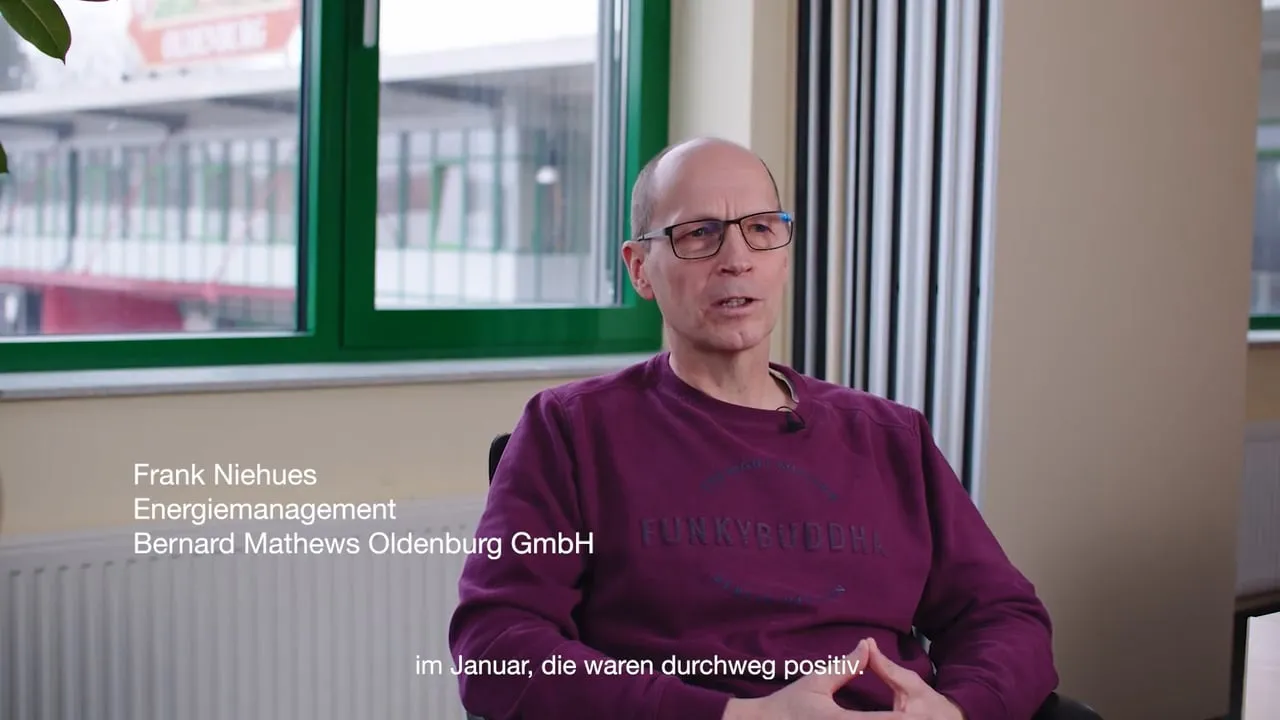
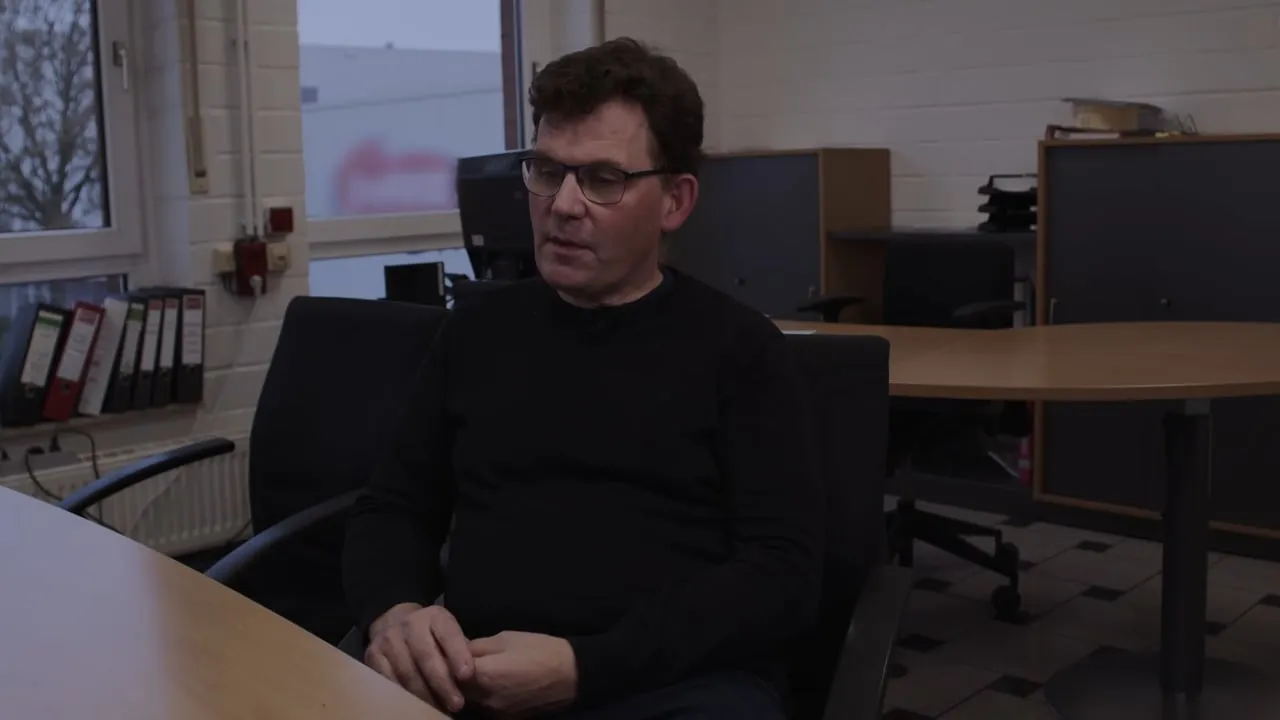
Bernard Matthews Oldenburg GmbH
How a mid-sized food company in Lower Saxony benefits from a battery.

High load peaks & high grid fees
- Load peaks of up to 1,174 kW
- High grid fees
- Not eligible for atypical grid usage (§ 19(2) StromNEV)
A battery sized for the site
- 184 kW / 180 kWh battery
- Intelligent control in place:
- Load peaks shaved & eligibility for atypical grid usage secured
- Additional revenue from arbitrage
Measurable economic impact
- Around €34,300 in annual savings
- Of which up to €27,900 from lower grid fees
- Payback in under 3.5 years







How we deliver battery projects in food plants
We look at when load peaks occur: shift changes, tool changes, machines starting up at the same time, cooling in summer.
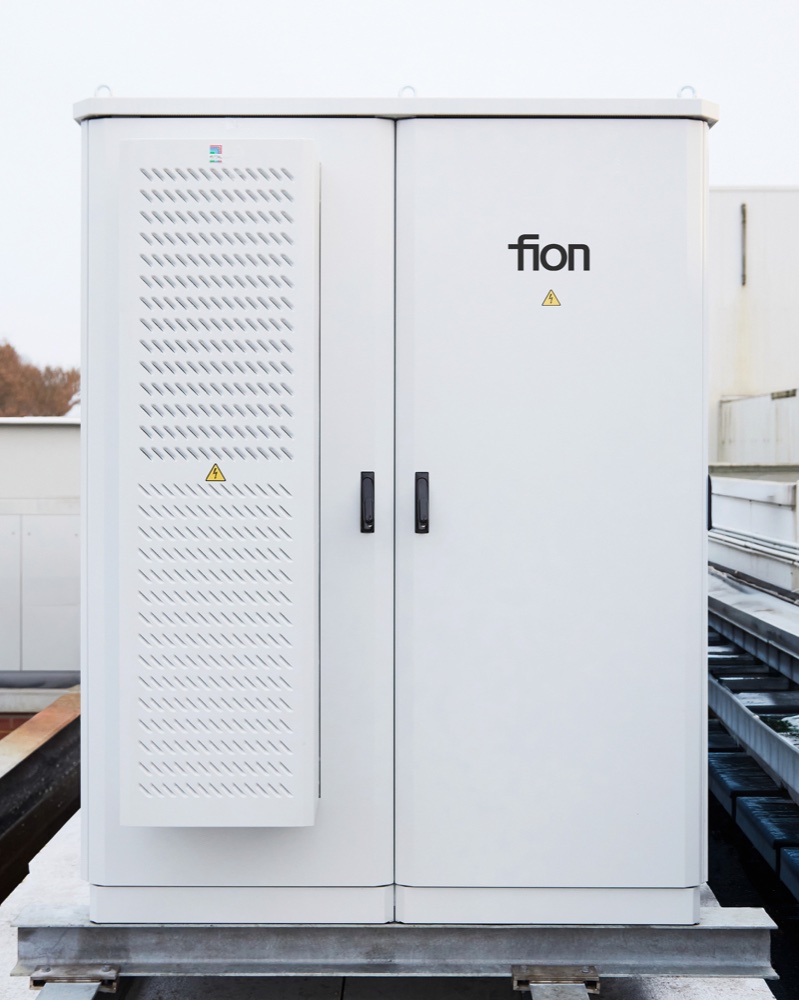
Not to a standard size, but matched to your load peaks, cycle times and the machinery you actually run.
The battery shaves load peaks and optimises solar use and power purchasing in the background, without production or maintenance staff having to step in.
When the battery is not needed for peak shaving, it automatically turns price swings on the power market into profit.
Why batteries pay off particularly well in the food industry
In food plants, costly power peaks arise from typical everyday situations:
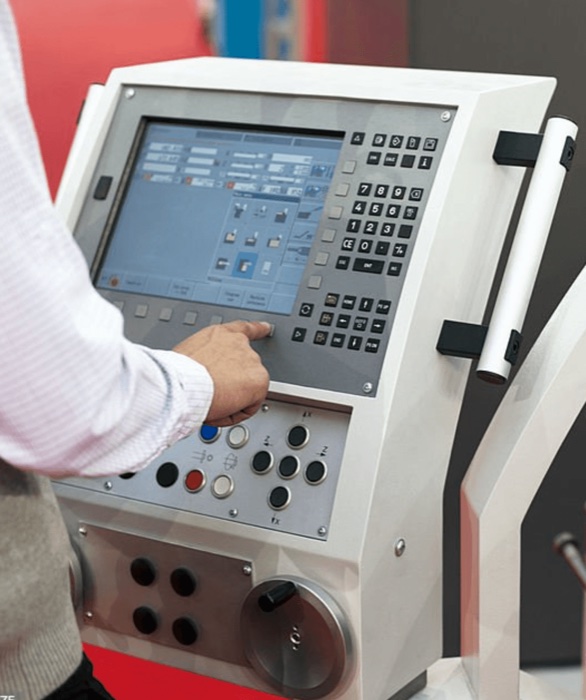
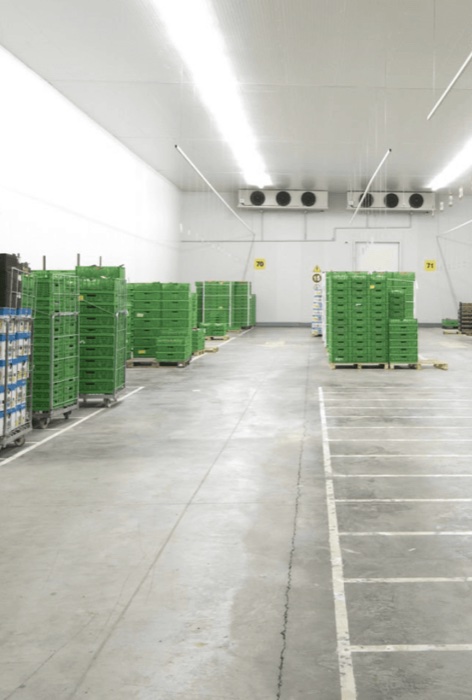
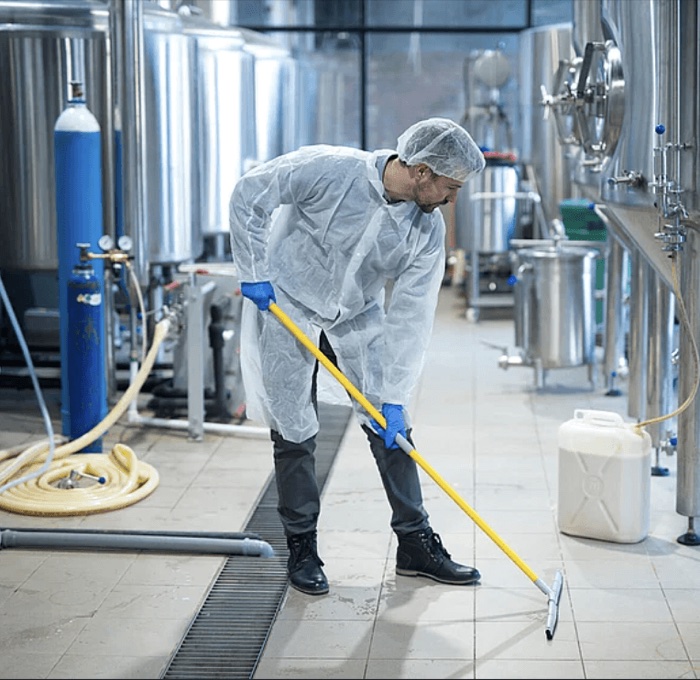
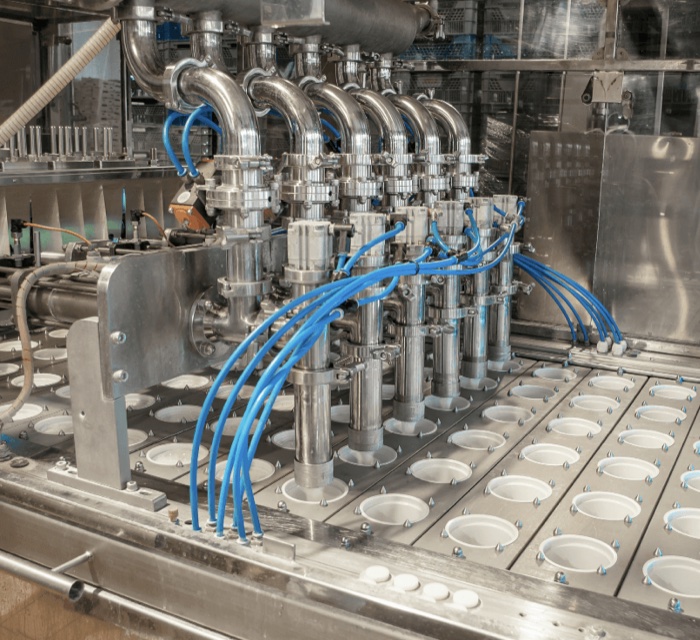
In the food industry, it is not just the kWh that counts. The kW peak matters too.
These are exactly the situations that make batteries economically worthwhile, and that is precisely where we come in.
FION’s solutions work in other industries too
Kunststofftechnik
- Peak shaving
- Arbitrage trading
- Spot procurement optimisation
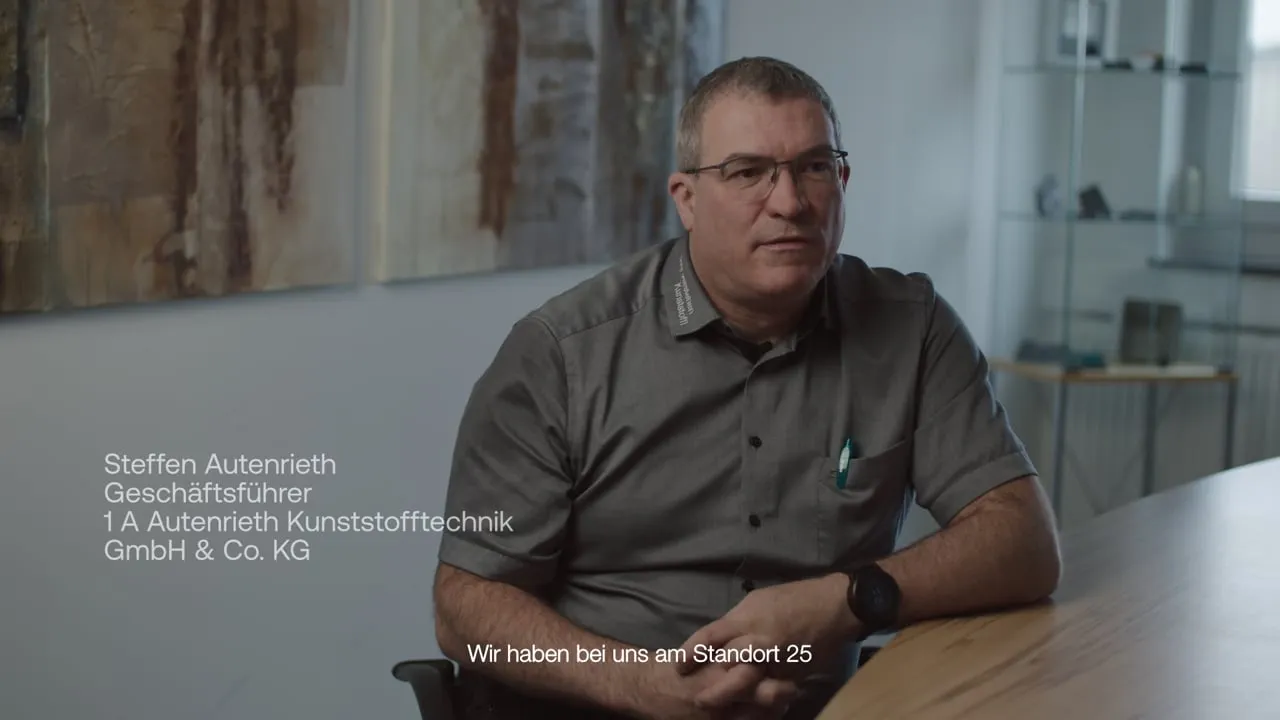
- Peak shaving
- Arbitrage trading
Check the battery potential
of your site
We assess it using your operating and consumption data.